
There is a relationship between culture and language that cannot and should not be overlooked by those who seek to learn new languages. This does not mean that people do not learn a language apart from its culture. Although they do, learning about the culture and customs of the language’s speaker remains one very effective way of learning a new language. Let us take a look at why and how.
The Definition of Culture and How It Is learned

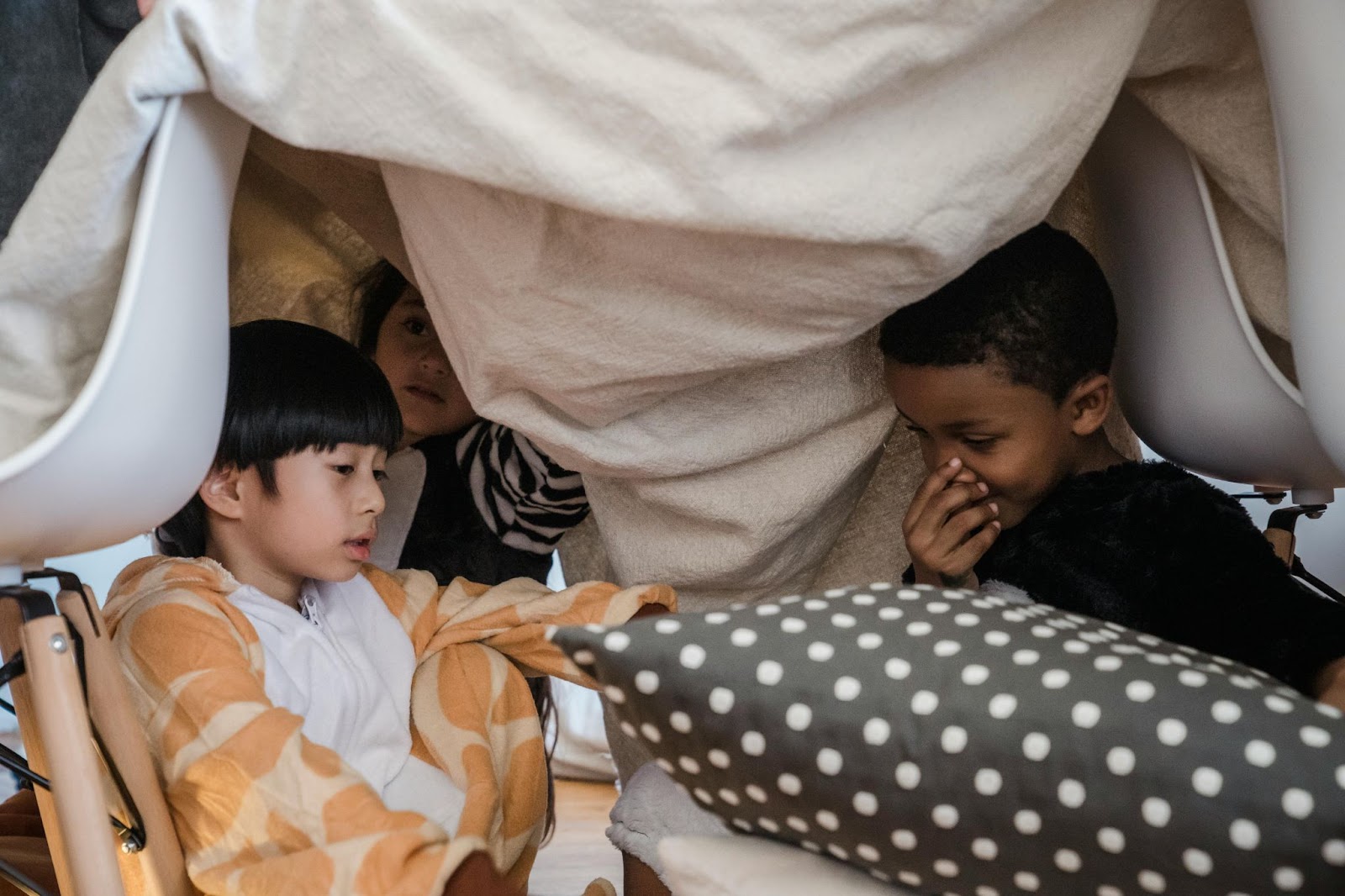
Image by rawpixel on Freepik
Down to a child’s physical appearance at birth, culture finds its way into the very existence of man. Simply by being born into the world, mankind embarks on learning culture without making any deliberate effort on their part. This gives us an idea of where “culture” gets its definition-A set or pattern of behaviors birthed from a long history of a group of people living together in a particular area, imbibed into newcomers of that particular area or society.
So, from the moment of birth, one’s culture not only defines their look but also how one should interact with the world which happens firstly, by simple observation of the actions of those around them.
After observing, culture is also learned via imitation and socialization- which involves following instructions and everyday interaction and social participation.
One thing that is obvious from these culture learning methods though is that culture is not in any way biological.
Before learning about a society’s culture, humans must be born into it. Man does not possess any cultural traits by nature; rather, there is simply the capacity to comprehend culture through the use of a key tool: language.

Image by rawpixel on Freepik
Language Being a Useful Culture Learning Tool
Let’s take a look at how the one tool man was equipped with to learn culture helps man to learn the culture.
Language is simply man’s capacity to use symbols (spoken or signed) to express themselves and understand those around them. As man observes (his first means of learning culture), he notices that not only are those around him able to interact with him and with each other, but there is also a willingness he wants to put into action to interact with them as well and to be understood by them.
There is no culture without a reliable means of transmission from generation to generation of mankind. Language is one useful means of cultural transmission.
It forms the basis of culture’s influence. If this is the case, will it be safe to say therefore that every language is learned in the context of culture? Let us take a look at the implications of this statement. Before then, we will see how language speakers are culture speakers.
Language Speakers (Native Speakers) As Culture Speakers
What is your native language? Also known as your first language. Have you ever taken time to notice a difference between when you speak your native language and when foreigners speak it? Did you notice the following:
Your Pronunciation is Different
For spoken languages, your tongue naturally says your native language differently from foreigners who are learning the language. For sign language users (ASL users) where ASL is their first language, their body expressions are different also. It just shows you learned the language from birth as opposed to the second language learners.
Your Usage Interpretation is Not Only Different But Cultural
Given that you learned your native language as you were getting exposed to your culture, you tend to interpret your language culturally.
Remember we said that from birth most of our culture’s learning is unconscious, not deliberate, meaning it rubs off on us. This is usually something foreign learners lack and therein stems some of the misunderstandings in communication between native speakers and foreign speakers of a language. It is a good thing that this misunderstanding can be rectified to an extent. Take a look at how it can be done.
Some Tips to Help You Learn a New Language through Learning about the Culture of the Language Speakers?
Image by Freepik
Get Ready to Be Involved
You must understand that learning the culture of the language speakers whose language you want to learn largely involves you being a participant in the culture, and that includes when you engage in conscious observation of the ins and outs of the language speakers in their society.
Do not Only Be Fixated on the Symbols Used
Part of learning the culture of a language’s speakers is learning to notice their tones, character of voice, and body language as they used this language because each of these factors is symbolic of the culture of the language speakers. They use these to portray the culture of that language.
You will find that when you do this, the new language-learning process becomes informative and fun.
Utilize Other Various Modes of Expressing Culture
While learning a language, culture is embedded in other forms that go alongside the language used. As frequently as you can interact with these additional cultural expressions, maximize them. This entails understanding their foods, their arts and literature (music, folklore, movies, books, and paintings), and also their fashion. If you get fascinated by these as you get more acquainted with them, it speeds up your learning of the language. If you get irritated by them, it hinders your learning of the language. This shows the strong relationship that exists between learning a new language and the culture of the language speakers.
Use the Native Speaker Cross-Check Method
This process involves you interacting with a native speaker constantly after you must have engaged with your other learning resources. You utilize the method by having the native speakers explain what you have learned elsewhere. This method helps you realize that the native speakers explain it better. They go beyond the meaning of the words, phrases, or symbols you have asked about, to tell you their origins and the occasion for which they are used. Understanding these put the language into perspective.
Conclusion
As it applies to the hearing society, the same goes for the Deaf communities. Learning ASL goes smoothly when one becomes familiar with the traditions and culture of ASL native speakers, particularly those present in Deaf communities.
Whether you can join a deaf community or not, SignBee Academy has excellent ASL learning resources that can assist you in learning ASL effectively.
Thumbnail Photo Credit to: Image by rawpixel on Freepik